
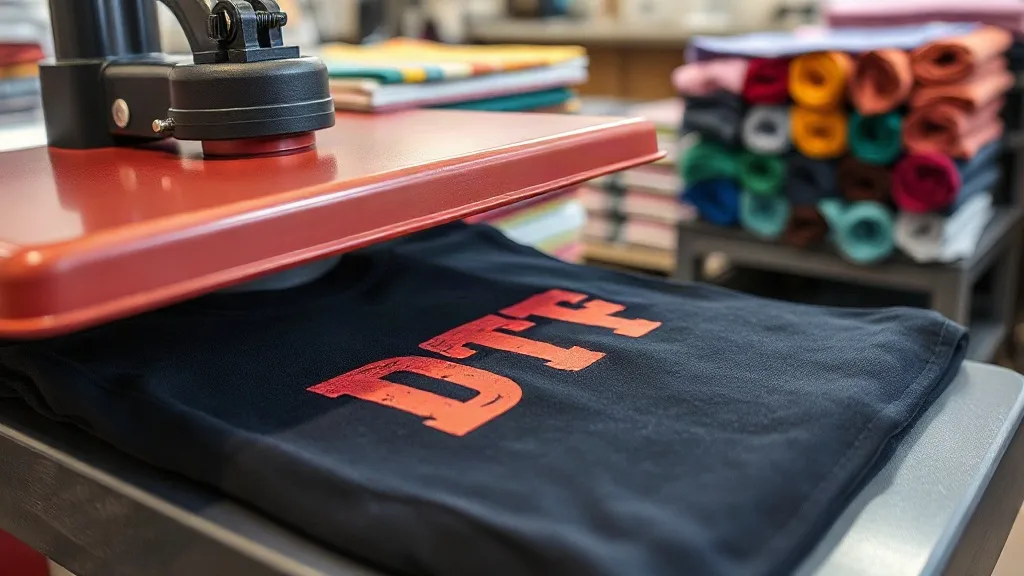
When you first dive into the world of dtf transfers, you quickly realize that achieving a stunning print is only half the battle. The other half? Making sure that print stays stunning wash after wash. Whether you're a hobbyist creating custom tees for friends or a small business owner fulfilling orders, understanding how fabric choice and care affect print durability is essential. This guide dives deep into the science and practicalities of DTF printing, helping you avoid common pitfalls and deliver products that wow your customers every time.
Why Fabric Selection Matters for DTF Transfers
DTF (Direct-to-Film) printing has revolutionized custom apparel by allowing vibrant, detailed designs on a wide range of materials. But not all fabrics are created equal when it comes to adhesion and longevity. The composition of the fabric, its weave, and even its color can influence how well the transfer bonds and how long it lasts.
Natural vs. Synthetic Fibers
Cotton, being a natural fiber, is generally the most forgiving for DTF transfers. Its porous surface allows the adhesive to penetrate deeply, resulting in a strong bond. However, 100% cotton can sometimes cause slight fading over many washes if not properly cared for. Synthetics like polyester, nylon, and spandex have smoother surfaces, which can make adhesion trickier, but when done right, the print can be incredibly durable because the plastic-based fibers bond well with the polyurethane adhesive in DTF film. Blends, such as 50/50 cotton-polyester, offer a middle ground but require careful temperature and pressure adjustments.
Weave and Texture
Fabric weave also plays a role. Tightly woven fabrics like canvas or twill provide a smooth canvas for fine details, while loose knits like jersey might allow the adhesive to sink in unevenly. For best results, pre-press the garment to smooth out wrinkles and create a consistent surface. Textured fabrics, such as ribbed knits, can add character but may require a slightly higher pressure to ensure the transfer conforms to the bumps and grooves.
Color Considerations
While DTF transfers are opaque and can be applied to dark fabrics, the base color can affect the vibrancy of the print. A white underbase is typically included in the transfer, but on very dark or bright backgrounds, slight color shifts might occur. Always test on a swatch if exact color matching is critical.
How to Choose the Right DTF Transfer for Your Fabric
Not all DTF transfers are the same. The quality of the film, the ink, and the adhesive powder all contribute to the final result. When sourcing transfers, consider the intended use. For heavyweight fabrics like hoodies, a thicker transfer with more adhesive might be necessary, while lightweight tees benefit from a thinner, more flexible film that moves with the fabric.
Testing and Sampling
Before committing to a large order, always request samples and perform wash tests. Apply the transfer according to the recommended settings, then wash the garment several times (both inside out and right side out) to see how it holds up. Check for peeling, cracking, or fading. This simple step can save you from costly mistakes and unhappy customers.
Working with Different Fabric Colors
For dark garments, ensure your DTF transfer includes a white ink layer. Most professional transfers do, but it's worth confirming. Also, consider the stretch of the fabric: if it's a stretchy material like spandex, choose a transfer film designed for stretch fabrics to prevent cracking when worn.
Maximizing Print Durability: Application Techniques
Proper application is the cornerstone of a long-lasting DTF print. Even the highest quality transfer can fail if not applied correctly. Here are key factors to control:
Temperature and Pressure
Each transfer comes with recommended settings, but these are starting points. Factors like fabric thickness, heat press calibration, and even humidity can affect the outcome. Invest in an infrared thermometer to verify your press temperature. Use consistent pressure; too little and the adhesive won't activate, too much and you might flatten the fabric or cause the design to spread.
Peel Timing
Most DTF transfers are cold peel, meaning you must wait until the transfer is completely cool before removing the film. Peeling too early can cause the design to lift or distort. Patience here is crucial. Some newer films are hot peel, but always follow the manufacturer's instructions.
Post-Press Care
After peeling, a second press (often called a post-press) with a Teflon sheet or parchment paper can further embed the ink into the fabric, enhancing durability. This step is especially important for garments that will undergo frequent washing.
Washing and Care Guidelines for Long-Lasting DTF Prints
How you care for the garment after printing determines its lifespan. Educate your customers with these simple care instructions:
- Turn the garment inside out before washing.
- Use cold water (max 30°C) on a gentle cycle.
- Avoid harsh detergents and bleach.
- Do not tumble dry on high heat; air dry or use low heat.
- Iron inside out, avoiding the printed area, or use a pressing cloth.
- Wait at least 24 hours after printing before the first wash.
Following these steps can significantly extend the life of the print, keeping colors vibrant and preventing cracking or peeling.
Common Challenges and Solutions
Even experienced printers encounter issues. Here are some common problems and how to fix them:
Peeling After Wash
This usually indicates insufficient pressure or incorrect temperature during application. Try increasing pressure or temperature slightly, and ensure the garment is properly pre-pressed to remove moisture and wrinkles.
Cracking
Cracking often occurs on stretchy fabrics when the transfer film is too rigid. Use a stretchable DTF film or reduce the thickness of the ink layer. Also, ensure the garment is not over-stretched during application.
Faded Colors
Fading can result from improper washing (hot water, harsh chemicals) or low-quality ink. Use high-quality transfers and follow care instructions. If fading occurs, check your wash process first.
Finding Quality DTF Transfers Near You
If you're looking to incorporate DTF into your business, sourcing reliable supplies is key. Many printers search for dtf transfers near me to find local providers who can offer quick turnaround and personalized support. However, online suppliers like DTF Print Up (dtfprintup.com) offer a vast selection of high-quality transfers with fast shipping, making it easy to get started no matter where you are. Always check reviews and request samples to ensure the quality meets your standards.
Frequently Asked Questions
Can DTF transfers be applied to 100% polyester?
Yes, DTF transfers work well on polyester, but because polyester is smooth, you may need to adjust pressure and temperature. Use a lower temperature (around 280°F) and moderate pressure to prevent the fabric from scorching or the transfer from sliding. Always test on a swatch first.
How long do DTF prints last?
With proper application and care, DTF prints can last 50+ washes or more. Longevity depends on fabric type, wash frequency, and care routine. Following the care guidelines above will maximize the lifespan.
What is the best way to store DTF transfers before use?
Store transfers in a cool, dry place away from direct sunlight. Keep them flat or rolled (not folded) to prevent creases. Avoid high humidity, which can affect the adhesive powder.
Do I need a special heat press for DTF transfers?
A standard heat press works fine. Ensure it can maintain consistent temperature and pressure. Some professionals use a dedicated DTF press with a larger platen, but it's not necessary for beginners.
Can I use DTF transfers on dark colors?
Absolutely. DTF transfers include a white ink layer that makes them opaque, so they show up vibrantly on dark fabrics. Just ensure the transfer is designed for dark garments (most are).