
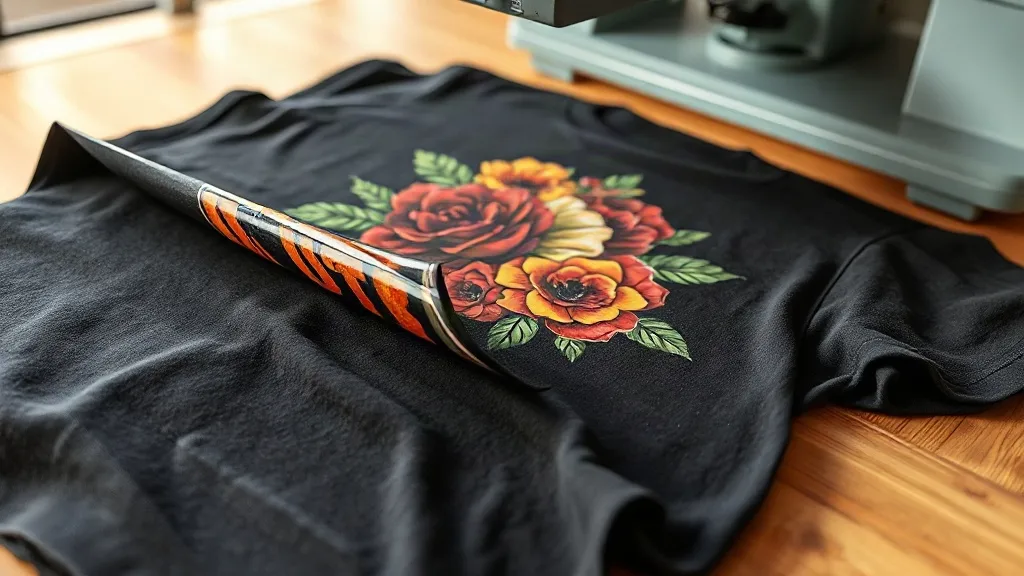
If you've been exploring custom apparel printing, you've likely come across dtf transfers. This method has rapidly gained popularity for its versatility and vibrant results. Whether you're a hobbyist or a small business owner, understanding DTF technology can open up a world of possibilities for your designs. In this guide, we'll walk you through everything you need to know about DTF transfers, from the basics to pro tips, so you can achieve professional-quality prints at home.
What Are DTF Transfers?
DTF stands for Direct to Film. It's a printing technique where your design is printed onto a special film, then coated with a powder adhesive and heat-pressed onto fabric. Unlike DTG (Direct to Garment) printing, which requires specialized equipment and is often limited to cotton fabrics, DTF works on a wide range of materials, including polyester, blends, and even dark colors. The process involves printing with water-based inks onto a PET film, dusting with hot-melt powder, and curing the powder to create a durable, stretchable transfer.
The magic of dtf lies in its simplicity and flexibility. You don't need a high-end printer; a modified inkjet printer can do the job. Plus, the transfers can be stored and used later, making it ideal for on-demand production. For those looking to get started, dtf transfers offer a low barrier to entry compared to other methods.
Why Choose DTF Transfers?
There are several reasons why DTF has become a go-to for many in the custom apparel industry. Let's break down the key benefits:
- Versatility: Works on almost any fabric, including cotton, polyester, silk, and blends. No need for pre-treatment, which saves time and money.
- Vibrant Colors: DTF transfers produce bright, detailed prints with excellent color accuracy, even on dark garments.
- Durability: When applied correctly, DTF prints withstand repeated washing without fading or cracking.
- Cost-Effective: Low startup costs and minimal waste make DTF an economical choice for small businesses.
- Storage: Unused transfers can be stored for months, allowing for efficient workflow.
For those who need quick turnaround, finding dtf transfers near me has never been easier, with many local providers offering same-day service.
How to Apply DTF Transfers: Step-by-Step
Applying DTF transfers is straightforward, but following the correct steps ensures a professional finish. Here's a detailed guide:
1. Prepare Your Design
Start with a high-resolution image (300 DPI is recommended). Mirror the design horizontally before printing, as the transfer will be flipped when pressed. Print onto DTF film using your DTF printer or a converted inkjet.
2. Apply the Powder
While the ink is still wet, sprinkle hot-melt adhesive powder evenly over the design. Shake off excess powder and cure the film under a heat press or in an oven at around 160°C (320°F) for 2-3 minutes, until the powder melts and forms a smooth layer.
3. Heat Press the Transfer
Set your heat press to 160°C (320°F) with medium pressure. Place the garment on the press, pre-press for 5 seconds to remove moisture. Then, place the transfer film on the garment with the design facing up. Press for 15-20 seconds. For cold peel, wait until the film cools completely before peeling; for hot peel, remove immediately after pressing.
4. Post-Press
After peeling, cover the design with a Teflon sheet or parchment paper and press again for 5-10 seconds to ensure the adhesive binds fully. This step enhances durability.
Common Mistakes to Avoid
Even seasoned pros can slip up. Here are some pitfalls to watch out for:
- Insufficient powder: If the powder layer is too thin, the transfer may not adhere properly. Always ensure even coverage.
- Wrong temperature: Too hot and the film may warp; too cold and the adhesive won't activate. Use a heat gun or infrared thermometer to verify.
- Peeling too early or too late: Follow the peel type recommended for your film. Cold peel films should be left to cool completely.
- Not pre-pressing: Moisture in the fabric can ruin the transfer. Always pre-press the garment.
For those who prefer a hassle-free experience, purchasing pre-made dtf transfers from reputable suppliers eliminates the printing and powder steps, ensuring consistent quality.
DTF vs. Other Printing Methods
How does DTF stack up against DTG, screen printing, and vinyl? Let's compare:
- DTF vs. DTG: DTF works on more fabrics and doesn't require pre-treatment. DTG is limited to cotton and often produces softer prints, but DTF offers more vibrant colors on dark shirts.
- DTF vs. Screen Printing: Screen printing is cost-effective for large orders but requires setup per color. DTF is better for small batches and complex designs with many colors.
- DTF vs. Vinyl: Vinyl is durable but limited to simple designs and solid colors. DTF handles gradients, photographs, and fine details with ease.
Ultimately, DTF provides a balance of quality, versatility, and cost that's hard to beat.
Tips for Choosing a DTF Transfer Supplier
If you're outsourcing your transfers, quality matters. Here's what to look for:
- Reputation: Read reviews and ask for samples to assess print quality and durability.
- Turnaround Time: Ensure they can meet your deadlines, especially for rush orders.
- Material Quality: Inquire about the film and powder used; cheap materials can lead to poor adhesion.
- Customer Service: A responsive supplier can help troubleshoot issues.
For those searching for dtf transfers near me, local suppliers often provide faster service and the ability to discuss your needs in person.
Frequently Asked Questions
Can I use DTF transfers on 100% polyester?
Absolutely. DTF transfers adhere well to polyester and polyester blends. In fact, they often perform better on synthetics than DTG, which requires cotton. Just ensure you follow the recommended temperature and pressure settings for synthetic fabrics to avoid scorching.
How long do DTF transfers last?
When applied correctly and cared for properly, DTF transfers can last as long as the garment itself. Wash inside out in cold water and avoid harsh chemicals. With proper care, you can expect the print to remain vibrant for years.
Do I need a special printer for DTF?
You can use a modified inkjet printer with DTF inks, or purchase a dedicated DTF printer. For beginners, starting with pre-printed transfers from a supplier is a cost-effective way to test the waters before investing in equipment.
What is the difference between hot peel and cold peel DTF film?
Hot peel film allows you to remove the carrier sheet immediately after pressing while the transfer is still hot. Cold peel requires you to wait until the transfer cools completely before peeling. Cold peel often yields a smoother finish, while hot peel speeds up production.
Can I layer DTF transfers?
Yes, you can layer DTF transfers, but it's best to press each layer separately and allow it to cool before adding the next. Use a Teflon sheet to protect the design during subsequent presses.
With this knowledge, you're ready to dive into the world of DTF printing. Whether you're creating custom tees for your brand or personalizing gifts, DTF transfers offer a reliable and versatile solution. Happy printing!