
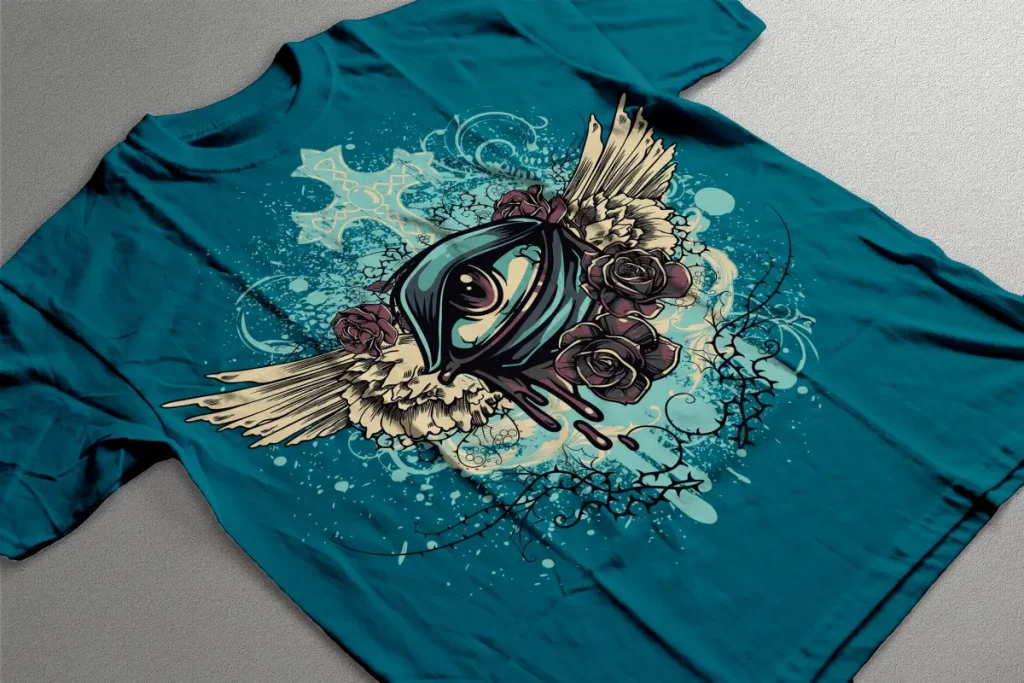
The custom apparel industry has witnessed a massive technological evolution, and creators who want to stay ahead are moving away from restrictive, outdated printing methods. If you are operating a growing clothing line or managing a high-volume print shop, you already know the frustration of turning away clients due to complex artwork, unlimited color gradients, or difficult fabric setups. Fortunately, the rise of premium dtf transfers has completely rewritten the manufacturing rules. This cutting-edge digital decoration technique bridges the gap between vibrant graphic design and physical product longevity, allowing anyone with a standard commercial heat press to deliver boutique-grade garments without the heavy setup costs or chemical cleanups traditionally associated with screen printing.
What makes this specific system so liberating is the total absence of material limitations. For decades, textile decorators had to pick their decoration style based strictly on the fabric fiber content. Sublimation forced you to use 100 percent white polyester, while older direct-to-garment systems frequently struggled to maintain brightness on dark, coarse materials. With the widespread adoption of modern DTF (Direct-to-Film) printing, those technical boundaries have permanently collapsed. You can now confidently apply ultra-detailed, high-definition graphics onto black cotton hoodies, stretchy polyester athletic jerseys, tough nylon windbreakers, leather goods, and even heavy canvas tote bags with identical precision and color consistency.
The Physics of Fusion: How Premium Transfers Achieve Retail Quality
To fully understand why thousands of independent apparel brands are actively searching for high-quality dtf transfers near me, it helps to analyze the multi-layered science that gives these prints their signature soft texture and incredible structural durability. Unlike traditional heat transfer vinyl that sits like a thick, rigid sheet of plastic on top of the garment, modern film transfers actually integrate directly into the weave of the textile fibers, allowing the finished product to breathe, stretch, and recover naturally during everyday wear.
The manufacturing journey begins inside a specialized digital inkjet system equipped with dual industrial print heads. The machine deposits the full-color CMYK ink layers first, immediately overlaying the entire graphic with a dense, highly opaque foundation of solid white ink. While the ink chemistry is still wet, a specially formulated hot-melt polyurethane adhesive powder is evenly applied across the back of the design. The film sheet then glides through a calibrated heating tunnel where the powder cures into a smooth, flexible gel matrix. When you later stamp this completed sheet onto a garment using a commercial heat press, the melted gel forms an unbreakable mechanical bond with the textile surface, guaranteeing that the graphic will never crack, peel, or bleed over time.
Logistical Agility: The Critical Value of Regional Sourcing
In the fast-moving world of modern print-on-demand fashion, production turnaround times dictate whether your brand scales or falls behind the competition. When a client places a large, time-sensitive order for a major corporate event, a sudden clothing drop, or a local sports tournament, you cannot afford to gamble your professional reputation on international shipping delays, customs disruptions, or hidden freight fees. Securing the absolute best dtf transfer at Houston manufacturing hubs provides a massive competitive advantage, keeping your supply chains fast, responsive, and close to home.
Partnering with a dedicated regional specialist like Harwin DTF allows you to fundamentally transform your inventory philosophy. Instead of locking up your valuable operational capital in massive amounts of pre-printed blank stock, you can successfully implement a lean, just-in-time production model. You receive your commercial-grade transfer film sheets rapidly, press them onto garments only when a customer order is fully verified, and get the finished merchandise out the door in record time. This hyper-local approach shields your profit margins from global shipping instability, minimizes storage overhead, and ensures your quality control remains flawless from the very first press to the final delivery box.
Quality Benchmarks: How to Audit Your Film Prints
As the market for custom garment films continues to expand rapidly, variations in material quality have become incredibly common. To protect your business reputation and ensure repeat orders, you must know how to properly audit your prints before they ever reach a heating element. A poorly manufactured sheet will feel rough against the skin, split apart upon minor stretching, or display washed-out colors that quickly fade in the laundry. When you are assessing test samples from a premium Houston dtf transfer provider, look for these three non-negotiable performance metrics:
- White Underbase Opacity: Turn the unpressed film over and inspect the backing against a strong light source. The white ink foundation must be thick, completely uniform, and solid. If the layer looks faint or transparent, the colors will look dark, dull, and muddy once pressed onto black or dark navy fabrics.
- Tensile Stretch and Memory: Apply a test design onto a highly elastic garment, allow it to cool, and pull the fabric firmly in multiple directions. A premium commercial print will stretch naturally without tearing, and it will immediately return to its original shape without leaving permanent stretch marks or fissures across the design.
- Edge Definition and Text Clarity: Look closely at the ultra-fine text lines, small icons, and detailed borders within your graphic layout. The outer ink boundaries must be perfectly crisp and clean, completely free from stray adhesive powder halos, fuzzy edges, or color bleeding.
At Harwin DTF, we refuse to cut corners on raw materials. We exclusively use commercial-grade print systems, high-pigment ink formulations, and precision-graded adhesive powders to ensure that every single sheet passing through our facility meets the rigorous standards expected by modern retail clothing brands.
Step-by-Step Commercial Heat Press Masterclass
Even the absolute highest grade of transfer film requires a precise, disciplined application workflow to achieve its maximum engineered durability. Creating an unbreakable bond relies entirely on balancing accurate temperature control, exact timing, and equal pressure distribution. Follow this professional multi-step workflow to guarantee flawless apparel results on every production run:
- Purge Fabric Moisture: Place your blank t-shirt, hoodie, or canvas bag onto the lower platen of your heat press and close the machine for 4 to 6 seconds. This simple step drives out all hidden ambient moisture trapped within the fabric fibers and flattens out micro-wrinkles, creating an optimized surface for the adhesive gel to fuse with.
- Align the Transfer Sheet: Position your printed film onto the prepared fabric with the textured ink side facing directly down against the garment. Take your time to measure and center the placement accurately using a standard alignment ruler or a laser grid system.
- The Primary Bond Press: Clamp your press shut using medium-to-firm pressure. For standard cotton garments and heavy blended fabrics, set your machinery to 310 degrees Fahrenheit (155 degrees Celsius) and press for 12 to 15 seconds. If you are handling delicate synthetic polyesters, drop the heat to 285 degrees Fahrenheit (140 degrees Celsius) to prevent fabric scorching.
- The Room-Temperature Cool Down: Remove the garment from the hot press platens and lay it completely flat on a clean table surface. Allow the film to cool down entirely to a true room-temperature state before attempting to lift the liner. Peeling the carrier sheet while it remains warm will destabilize the fine text edges and tear the design boundaries.
- The Secondary Soft-Hand Fix: After peeling the plastic film carrier away, place the decorated garment back onto the heat press. Cover the exposed ink graphic with a high-grade sheet of parchment paper or a matte-finish silicone sheet, and clamp the press shut for a final 5 seconds. This crucial step locks the outer edges into the textile structure, eliminates the shiny plastic gloss, and leaves a premium, soft-hand texture.
Frequently Asked Questions
What is the expected lifespan of these modern custom apparel graphics?
When applied using proper commercial heat press techniques and premium raw materials, these prints are exceptionally resilient. They can easily withstand 50 to 60 structural washing cycles before showing any subtle signs of fading or edge wear. To ensure maximum durability, advise your customers to wash their garments inside out in cold water and avoid high-heat commercial dryers.
Can I successfully use a standard household clothing iron for production?
While a home iron can work for basic DIY hobby projects, it is not suitable for commercial clothing production. Professional-grade films require perfectly flat, uniform heat across the entire graphic and consistent, heavy pressure that manual hand irons simply cannot provide, often leading to premature washing failures and peeling edges.
Is there a limit to the number of colors I can include in a single design?
No, there are absolutely no color limitations. Because the process relies on advanced digital inkjet technology rather than physical stencils, you can print full-color photographs, highly complex multi-colored logos, fine gradients, and shadows with zero extra setup costs or color separation fees.
How do I prevent dye migration when printing on dark polyester garments?
Dye migration happens when synthetic dyes inside polyester fabric turn into a gas under high heat and bleed upward into the ink of your design. To stop this from happening, always partner with an advanced team like Harwin DTF. We can supply specialized anti-migration backing barriers that act as a shield, keeping your white inks brilliant and your colors perfectly pure.
Redefine Your Custom Garment Manufacturing Capabilities
The modern apparel market operates at a breakneck speed, and consumers refuse to compromise on design complexity or product longevity. Relying on slow, restrictive decoration methods only limits your creative reach and hurts your profit potential. By integrating professional, versatile printing solutions into your production lines, you gain the freedom to say yes to intricate, colorful customer requests that other shops are forced to turn down. Partnering with Harwin DTF provides your brand with the commercial consistency, rapid regional shipping, and expert guidance required to scale your business with total peace of mind. It is time to eliminate your production bottlenecks, upgrade your garment textures, and deliver beautiful apparel that sets your brand apart from the competition.